Food compliance and formulation, in plain English.
Built for everyone working in food, whatever your background. Whether you’ve spent twenty years in R&D or you’re developing your first product, the rules and the science should be readable. Anna-Sophie and the Canoli team unpack what’s changing in the food ecosystem, what it means, and what to do about it.
-
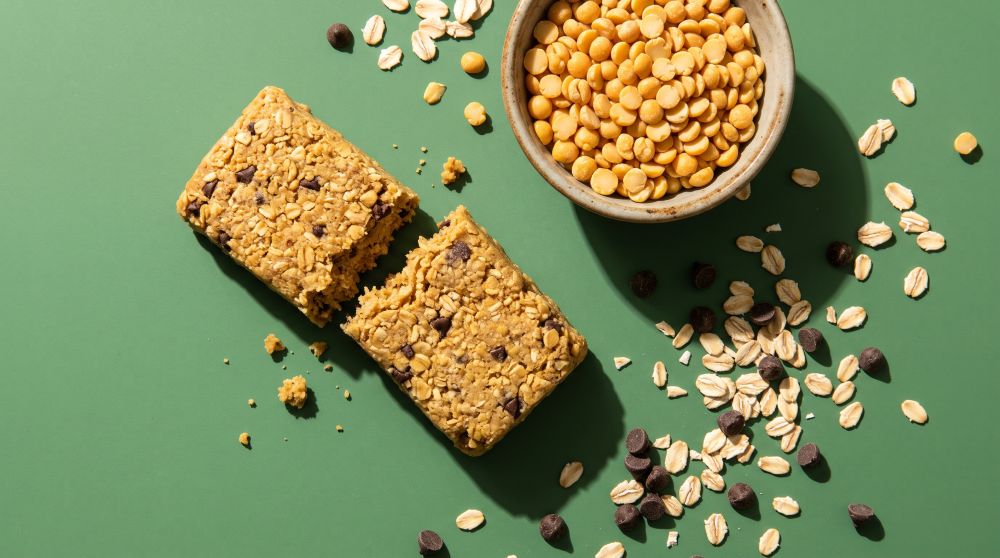
What counts as high protein? UK label rules for snacks
What counts as high protein in the UK? At least 20% of a food's energy must come from protein. Here's how to check a snack, and when to say "source" instead.
-

UK food labelling regulations: what your label must show
UK food labelling regulations in one checklist: the 12 things your label must show, and where the nutrition panel catches out most food brands.
-
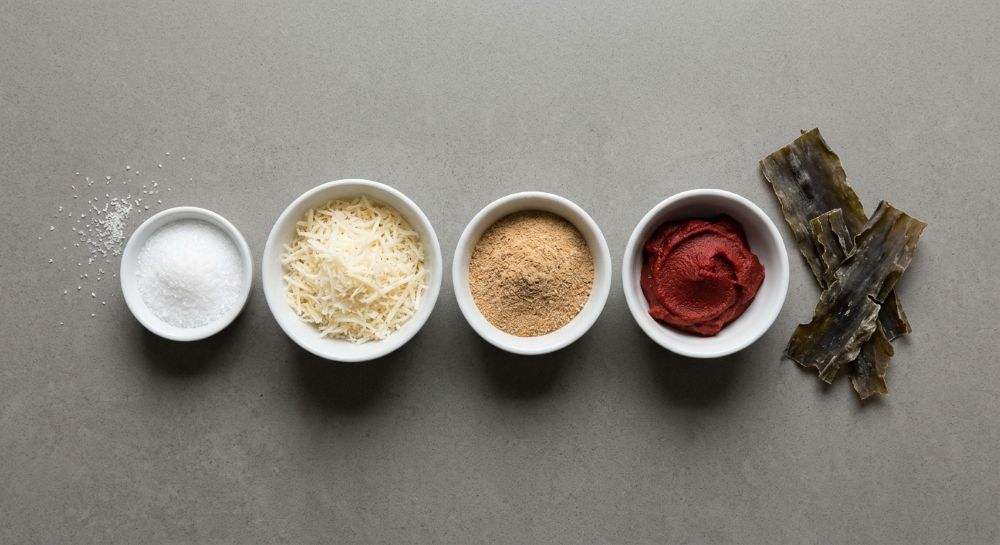
MSG in food: is it bad, is it banned and what to use instead
Is MSG in food bad for you, or banned in the UK? What the science says, why Tesco dropped it, how to label it, and what to use instead of MSG.
-
What is considered ultra-processed food? NOVA, with examples
What is considered ultra-processed food in the UK? How the NOVA classification works, real examples from each group, and how to check your own recipe.
-
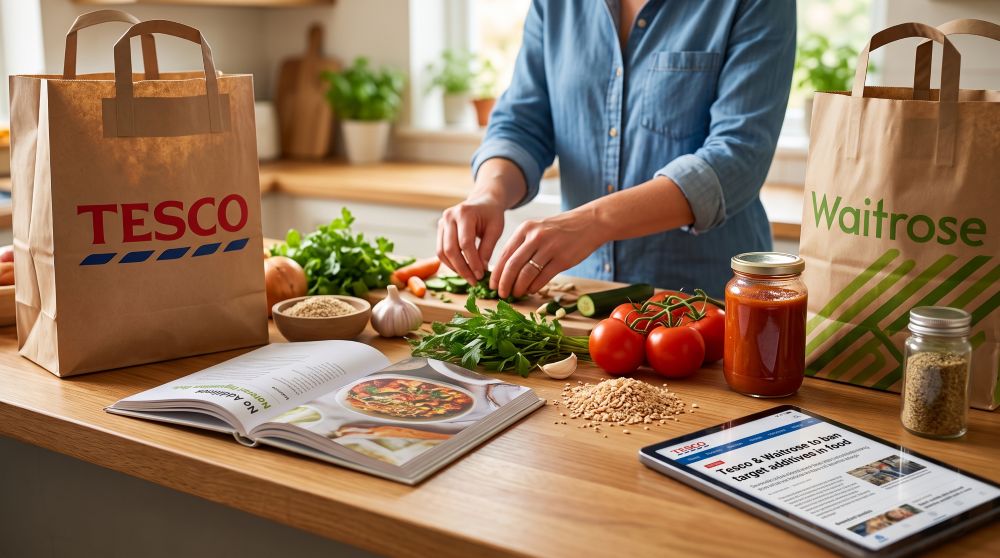
Tesco and Waitrose additive bans: what it means for your recipe
Tesco's additive ban now covers 114 additives and Waitrose wants none for Good Health. What's banned, what to swap, and how to stay non-HFSS.
-

Do you need lab testing for a UK nutrition label?
UK law lets you calculate nutrition values from your recipe instead of paying a lab. Here's when a calculation is enough and when lab testing is worth it.
-

Baby and toddler food guidelines: what to fix by February 2027
Office for Health Improvement and Disparities (OHID) guidelines set sugar, salt and labelling targets for baby and toddler food by February 2027.
-
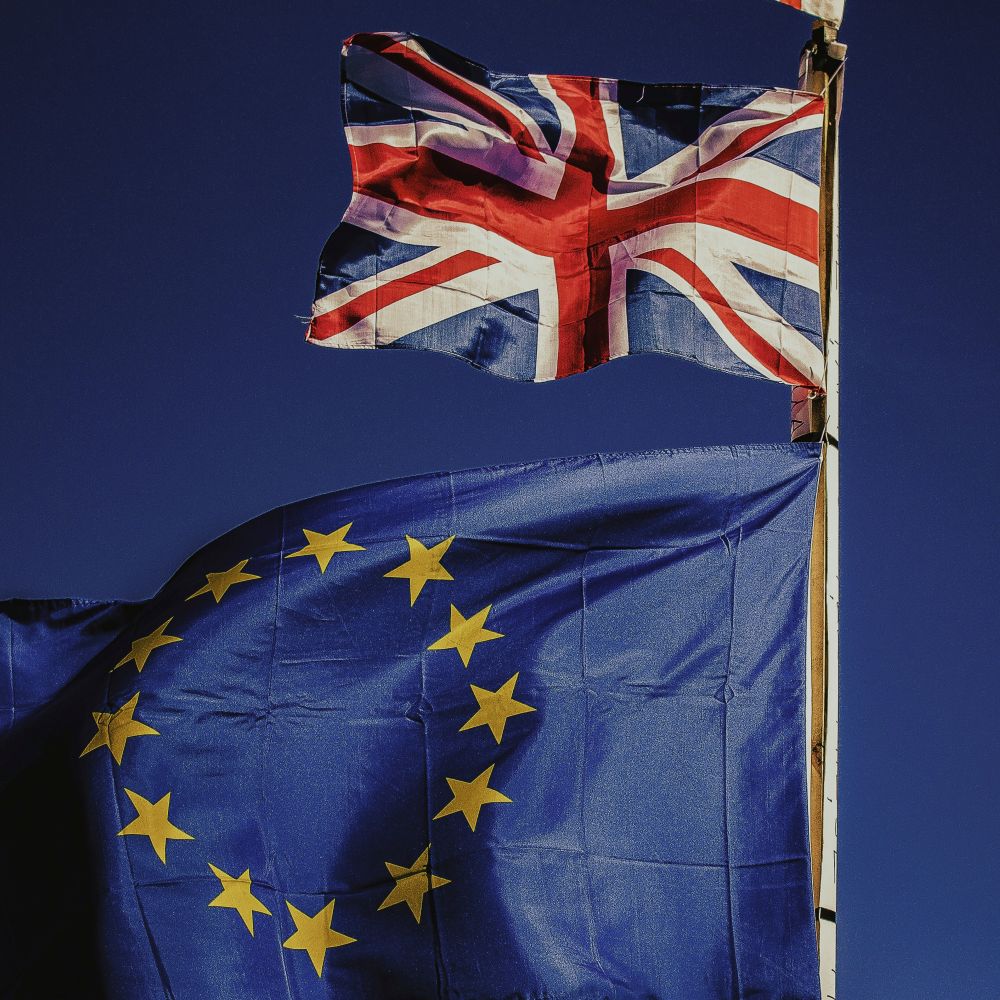
UK-EU SPS agreement: what dynamic alignment means for food teams
The UK-EU SPS agreement could make every GB food authorisation cease to apply overnight. Here's what dynamic alignment means and what to check now.
-

May contain vs not suitable for: UK allergen labels
FSA rules allow both "may contain" and "not suitable for" on allergen labels, but never say which to use. Here's a practical decision framework.
-
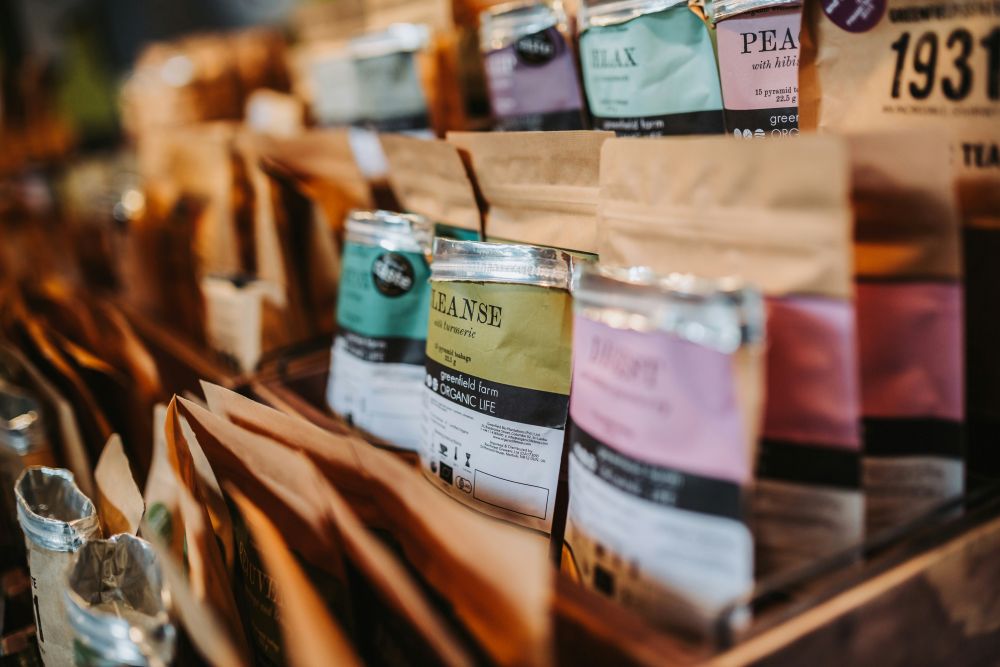
UK food origin labelling: what's already law, and what isn't yet
UK origin labelling already covers meat and fish. Flag claims and composite foods don't, and two rival proposals are fighting over what comes next.
-

What is precision-fermented protein? Has the UK approved it?
The US has cleared seven precision-fermented proteins for sale. The UK and EU have cleared none. Here is why, and the allergen risk hiding behind it.
-
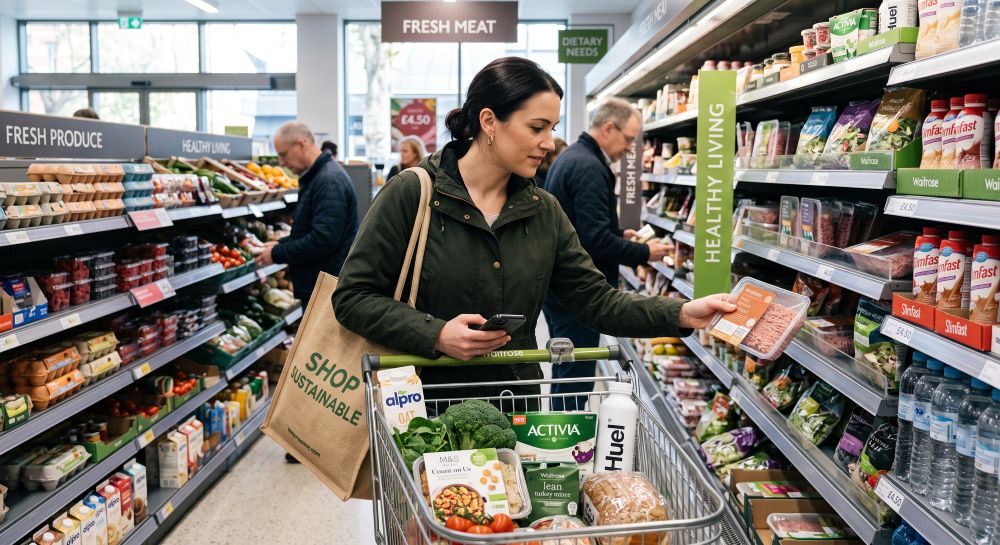
What are the UK's 1.6 million GLP-1 users really eating?
1.6 million UK adults are on GLP-1 medication, and new UK data shows they are eating differently, not just less. What that means for food NPD.