UK-EU SPS agreement: what dynamic alignment means for food teams
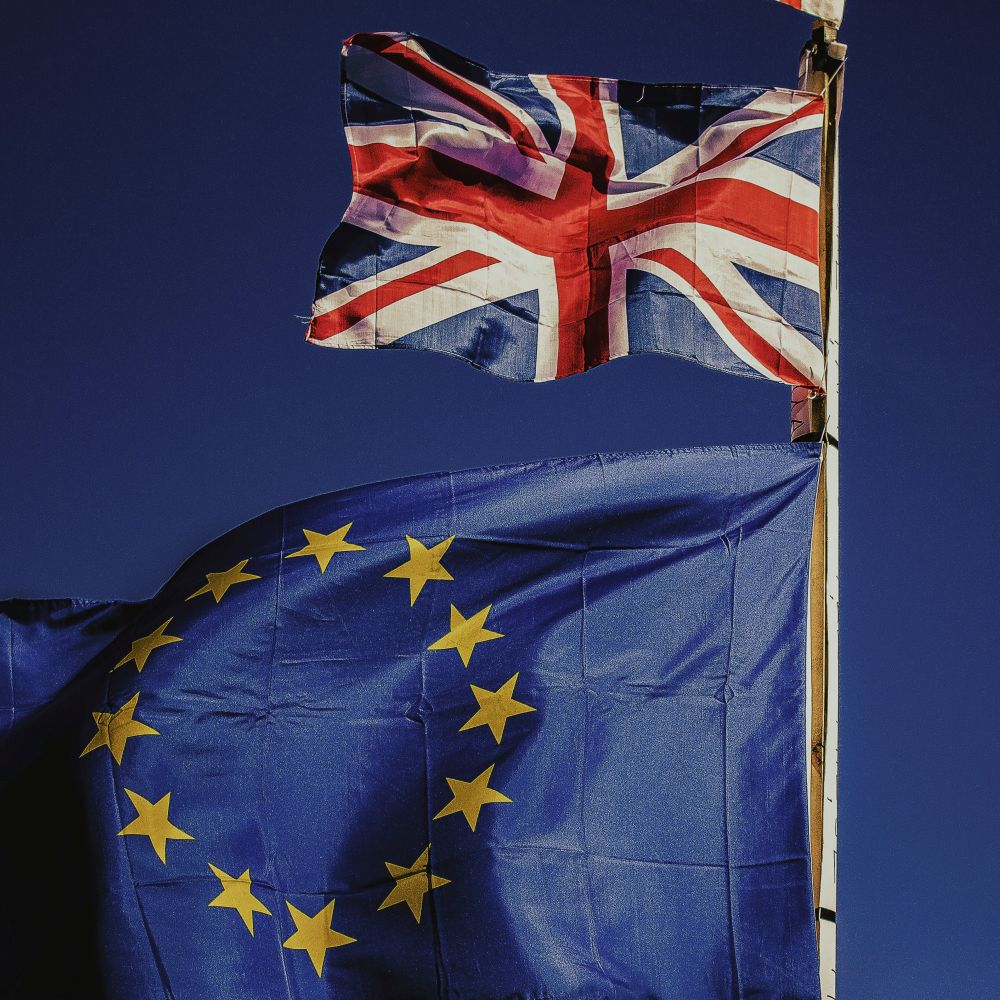
At its board meeting on 16 September 2026, the Food Standards Agency (FSA), the body that regulates food safety across the UK, put a sentence in front of members that should worry anyone selling food into Great Britain: "from the date the Agreement comes into force, all the GB authorisations cease to apply, and businesses would require an EU authorisation to place regulated products on the market in GB." The agreement in question is the UK-EU Sanitary and Phytosanitary (SPS) agreement, and it is still being negotiated. But the FSA is already telling its own board what happens to your ingredient and additive approvals the day it lands.
Why this matters before the treaty is even signed
The SPS agreement exists to undo a specific, well documented post-Brexit problem: extensive border checks and paperwork for animal and plant products moving between the UK and the EU, bad enough that some products, seed potatoes and certain sausages among them, couldn't be exported at all. The fix on the table is dynamic alignment: realigning UK food law with EU standards on an ongoing basis, cutting the checks and the cost. That is good news for exporters. The catch is scope: according to the Food and Drink Federation (FDF), the agreement applies to all UK food and drink businesses, whether they export or not, across 18 agri-food policy areas and more than 400 EU regulations and amendments.
Timing has already slipped once. A UK-EU summit planned for July 2026 was postponed after changes in government, and the FSA's own board paper describes negotiations as "at an advanced stage," aiming to conclude "as soon as possible." The working target for implementation is summer 2027, with business readiness guidance aimed at mid-2027. Neither date is fixed yet, but the direction is.
What "dynamic alignment" actually commits the UK to
This is the part worth reading twice. Dynamic alignment doesn't mean the UK copies today's EU rulebook and stops there. It means, in the FDF's phrasing, that "the UK will agree to keep its agri-food rules continuously in line with those in the EU, including future changes, not just current ones." Whenever the EU changes its food law after that, UK food law changes with it, automatically, without a parliamentary vote. The UK gets advance notice and a "shaping" role similar to Norway's or Iceland's arrangement through the European Free Trade Association (EFTA), a chance to comment before a rule is finalised, but no vote on the outcome.
The five divergence points the FSA has already flagged
The FSA's board paper names specific areas where GB and EU rules have already pulled apart, which gives a preview of what dynamic alignment would actually change on day one:
Titanium dioxide (E171) is still permitted as a food colourant in GB. The EU withdrew its authorisation.
Nitrites and nitrates, used in cured meats, are permitted at higher levels in GB than the EU now allows.
Bisphenol A (BPA) is restricted in EU food-contact packaging. The EU's ban took effect in mid-2026, and UK businesses reportedly had less notice of the change than their EU counterparts did, despite the same effective date, according to Food Manufacture's reporting on the agreement. That's the closest thing to a preview of what "no guaranteed transition period" feels like in practice.
Recycled plastics for food-contact materials face new EU authorisation requirements that GB doesn't currently mirror.
Feed additives and novel foods: GB currently permits some substances more broadly than the EU does, which is the same gap we flagged last month in our piece on whether to wait for EU novel food authorisation, and again in the precision-fermented protein approval gap. Dynamic alignment would close both gaps from the EU's side, not GB's.
What happens to the approvals you already have
Today, a UK-only authorisation is a genuine asset, it's why the novel foods and precision fermentation gaps exist in the first place. Under the agreement as described, that stops being true. The FSA's own Market Authorisation Service (MAS) is already carrying around 390 open applications with an average processing time of over two years, only 53 cleared since January 2026, so it's proposing "early alignment": legislative changes that would let businesses access EU-authorised products ahead of the treaty actually taking effect, rather than waiting for the formal switchover. Nothing about that proposal is confirmed. It tells you which way the FSA expects this to go.
What this means for your NPD brief
New Product Development (NPD) teams have a narrow, useful window right now: the list of known divergence points is short and specific, five items, not four hundred. Audit your current formulations and packaging against it directly. Titanium dioxide as a colourant, nitrite and nitrate levels in cured products, BPA-containing packaging, food-contact recycled plastics, and any ingredient or additive that's approved in GB but not yet in the EU are the five places a reformulation brief should start, not the four hundred regulations still to come. Revisit supplier specifications and contracts against the same list, since a supplier's compliance today doesn't guarantee it in eighteen months. And don't formulate around a promised grace period. The BPA precedent suggests GB businesses may get less warning than EU ones, not more, even on a shared deadline.
This is exactly the kind of check Canoli's compliance and claims tools exist for: keeping a formulation, its claims and the regulation behind them in one place, so a change like this is a quick review rather than a scramble through supplier paperwork.
What's confirmed, what's likely, and what's still unclear
Confirmed: the SPS agreement is being negotiated, dynamic alignment is the mechanism on the table, and the FSA has named five specific current divergence points. Likely: implementation lands around summer 2027, with business readiness targeted for mid-2027, though the postponed July 2026 summit shows those dates can move. Still unclear: whether there will be a formal transition period for existing GB authorisations, and whether the "early alignment" option the FSA is exploring will actually happen before the treaty does. This post reflects the position as of the FSA's September 2026 board update and may need revisiting once the treaty text or a summit date is confirmed.
If keeping your formulations, claims and the compliance behind them in one place sounds useful, that's what Canoli is built for. Try it here.
Quick answers
What is the UK-EU SPS agreement? A Sanitary and Phytosanitary agreement being negotiated between the UK and the EU to remove border checks on animal and plant products by aligning UK food law with EU standards. It's expected to apply to all UK food and drink businesses, not just exporters.
What does "dynamic alignment" mean for food businesses? It means UK food law would automatically follow future EU food law changes, not just the rules in place today, without a UK parliamentary vote on each change. Businesses would get advance notice and a chance to comment, but not a veto.
What happens to current GB-only authorisations under the agreement? According to the FSA's own board paper, they would cease to apply from the date the agreement comes into force, and businesses would need an EU authorisation instead to keep selling the product in GB.
When will the UK-EU SPS agreement take effect? No confirmed date. The FSA's working target is summer 2027, with business readiness guidance aimed at mid-2027, but a UK-EU summit originally planned for July 2026 was already postponed, so treat both dates as directional rather than fixed.
What should a food business do to prepare now? Audit current formulations and packaging against the five known divergence points, titanium dioxide, nitrite and nitrate levels, bisphenol A packaging, recycled food-contact plastics, and any GB-only approved ingredient or additive, and revisit supplier contracts against the same list. Don't wait for a confirmed transition period, the bisphenol A precedent suggests GB businesses may get less notice than EU ones on a shared deadline, not more.